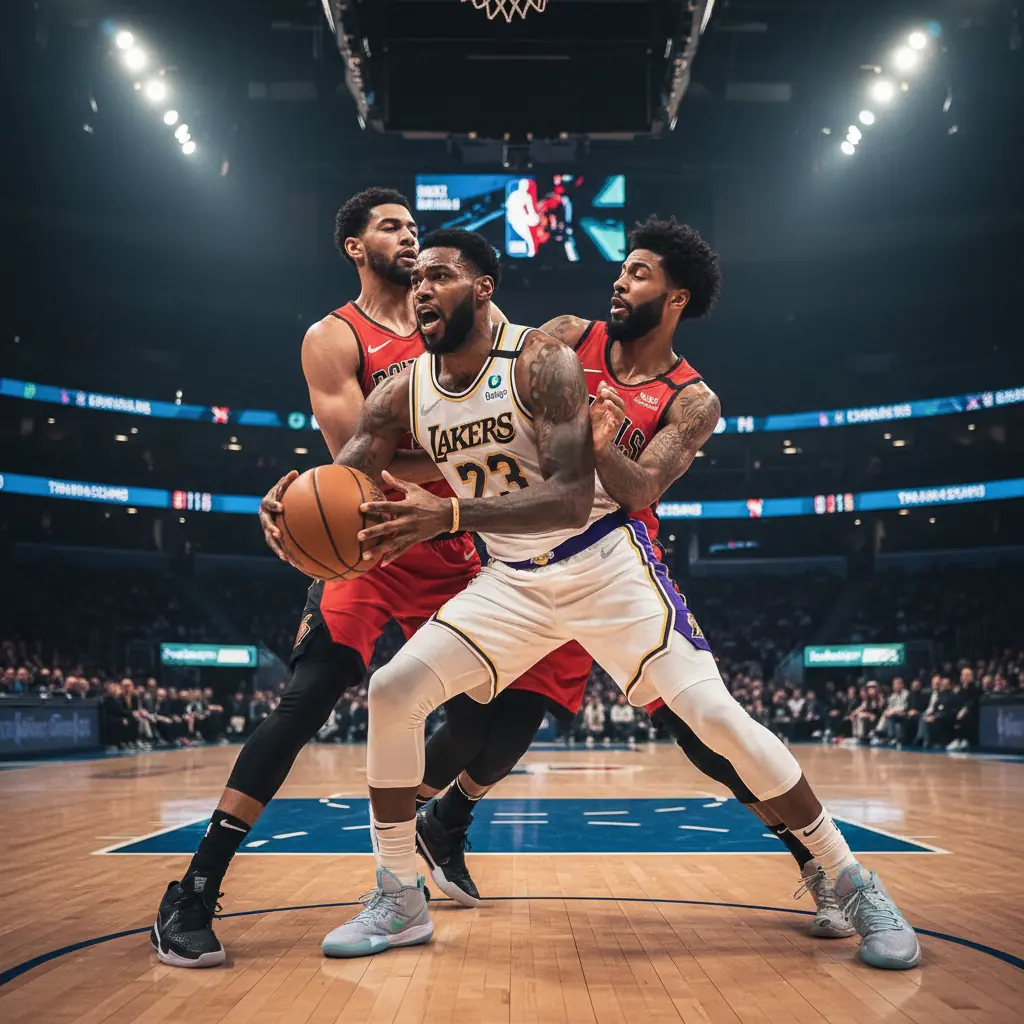
The 2020 NBA bubble was more than just a temporary fix; it was a reality warp. Imagine a world where basketball titans were confined to a single location, separated from the outside world by an invisible barrier, all in a desperate attempt to salvage a season derailed by a global pandemic. This wasn’t just about basketball; it was about rewriting the rules of the game—and life itself—on the fly.
Initially, the NBA bubble was a shot in the dark. Could a multi-billion dollar league, with its high-profile athletes and intricate operations, successfully isolate and complete its season? The immediate challenges were immense: health protocols, logistical nightmares, and, perhaps most importantly, the psychological toll of confinement. However, the initial impact reverberated far beyond the final buzzer. The NBA bubble became a crucible, forging new strategies, revealing hidden strengths, and exposing underlying vulnerabilities. The echoes of that experiment continue to shape professional basketball and extend to the players to fan experience to the current season’s operation.
The Initial Reactions and Adaptations
The NBA bubble was initially met with a mix of apprehension and determination. Players, coaches, and staff found themselves thrust into an unprecedented situation, demanding rapid adaptation and significant personal sacrifices. Isolation became the norm, strict health protocols dictated daily life, and mental fortitude was tested. The extraordinary circumstances forged an immediate sense of community among those present.
The bubble was more than just a place to play basketball; it was a crucible where resilience and adaptability were paramount. Creating new memories with people within the bubble to help them mentally cope with a new lifestyle. The sudden shift from normalcy required individuals to embrace flexibility and discover new ways to maintain their competitive edge.
Embracing the Unknown: Player Perspectives
Players experienced a wide spectrum of emotions upon entering the NBA bubble, ranging from anxiety and uncertainty to excitement and resolve. Maintaining routines amidst such drastic change was a challenge, yet players found unique ways to stay connected. For many, this meant leveraging technology to connect with family and friends, while others embraced the opportunity to explore new hobbies or deepen relationships with teammates.
New friendships blossomed, and rivalries transformed into camaraderie as everyone shared a common goal: to safely complete the season. One player was quoted saying, “We were all in this together, and that made a huge difference.”
Coaching in Confinement: Strategic Shifts
Coaches quickly realized that standard strategies would not suffice within the bubble. Tactical innovations were crucial for maintaining both player well-being and competitive performance. New player rotations became more common, prioritizing mental health alongside physical conditioning. Drills now included health and safety measures.
One coach stated, “We had to think outside the box and ensure our players felt supported both on and off the court.” These adjustments were key to navigating the unique challenges of coaching in confinement.
Lasting Impact on Player Performance
Enhanced Training Regimens: New Standards
The NBA bubble served as a catalyst for enhanced training regimens, pushing teams and players to adopt more individualized workout schedules. With fewer distractions and a controlled environment, players had the opportunity to focus intensely on specific areas of improvement. This led to a rise in personalized training programs, tailored to each player’s unique needs and goals. Rest and recovery became a critical component of training, with teams emphasizing the importance of sleep, massage therapy, and mindfulness practices to optimize player performance and minimize the risk of injury.
Nutritional Science: Dietary Shifts
The NBA bubble also spurred innovative approaches to dietary optimization. Teams worked closely with nutritionists to design meal plans that fueled performance and aided recovery. Players became more conscious of their dietary choices, recognizing the crucial role that nutrition plays in their overall well-being. For example, some players experimented with eliminating processed foods and refined sugars, focusing instead on whole, nutrient-dense foods.
Psychological Toll and Mental Health Awareness
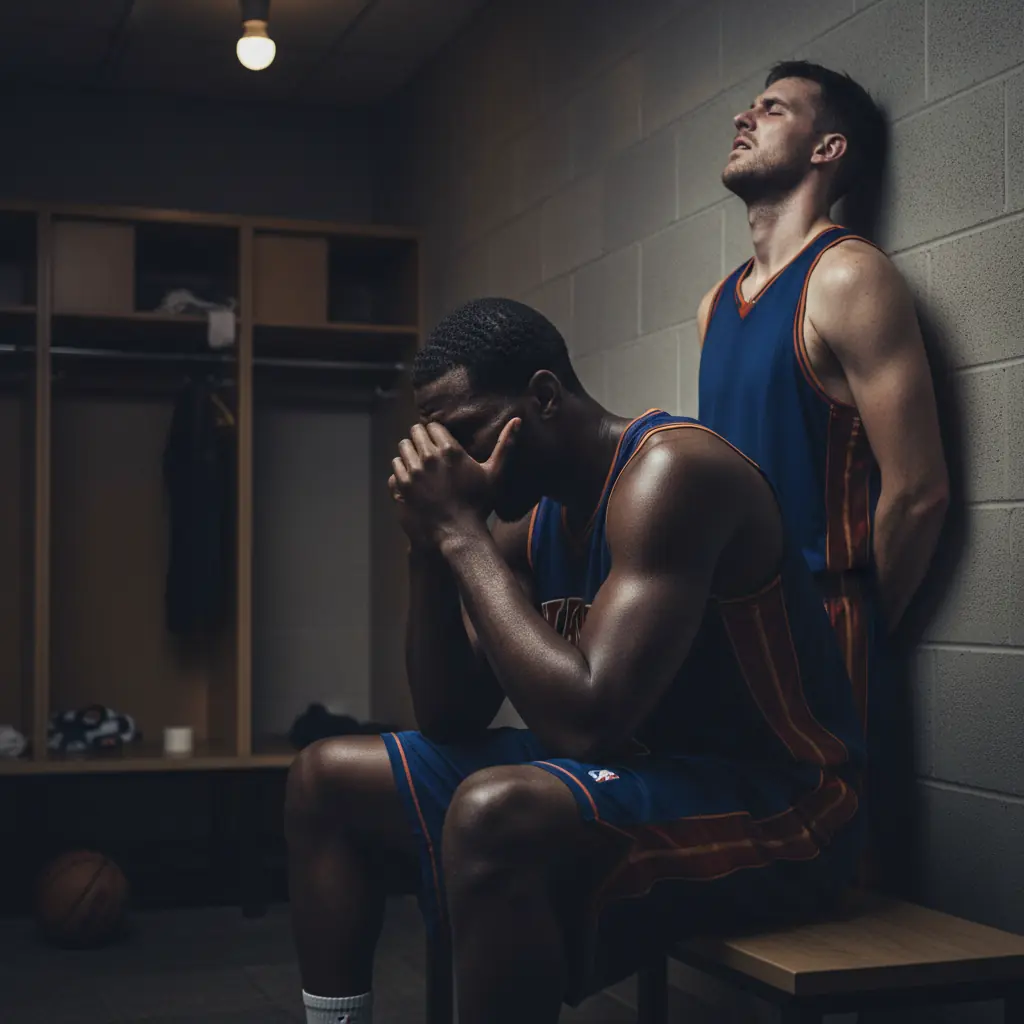
The NBA bubble, conceived as a haven to resume basketball amidst a global pandemic, inadvertently became an incubator for unique mental and emotional challenges. The isolation, constant testing, and competitive pressure took a significant psychological toll on players. Confined to a limited environment, far from family and familiar routines, athletes faced heightened anxiety and stress. The absence of external stimuli forced an inward focus, amplifying existing concerns and creating new ones. The mental strain was palpable, as athletes accustomed to physical battles now grappled with invisible opponents: loneliness, uncertainty, and the weight of expectation.
However, from this crucible of adversity emerged a silver lining: a newfound openness surrounding mental health. The bubble normalized conversations about the importance of psychological well-being. Players, often perceived as invincible, began to share their struggles, humanizing themselves and inspiring others to seek help. This collective vulnerability shattered long-standing stigmas and paved the way for increased resources and support systems within the league.
The NBA’s response was crucial in fostering a safe environment for these conversations, signaling a commitment to prioritizing player well-being beyond physical performance.
Breaking the Stigma: Players Advocating
Several players emerged as powerful voices, openly discussing their anxieties and vulnerabilities, which resonated deeply with fans and fellow athletes alike. Their courage to publicly address their internal battles helped dismantle the stigma surrounding mental health, particularly within the hyper-masculine world of professional sports and inspired conversations around mental well-being. By sharing their experiences, they empowered others to seek help, fostering a culture of openness and support within the league.
League Support and Resources: Then and Now
The NBA introduced various mental health programs during the bubble, offering access to therapists and creating spaces for players to connect and share their experiences. While the immediate impact was significant, the long-term effects are even more profound. The league has expanded its mental health resources, providing ongoing support systems and promoting mental well-being initiatives. These efforts demonstrate a lasting commitment to supporting the holistic health of its players.
Strategic Shifts in Team Dynamics
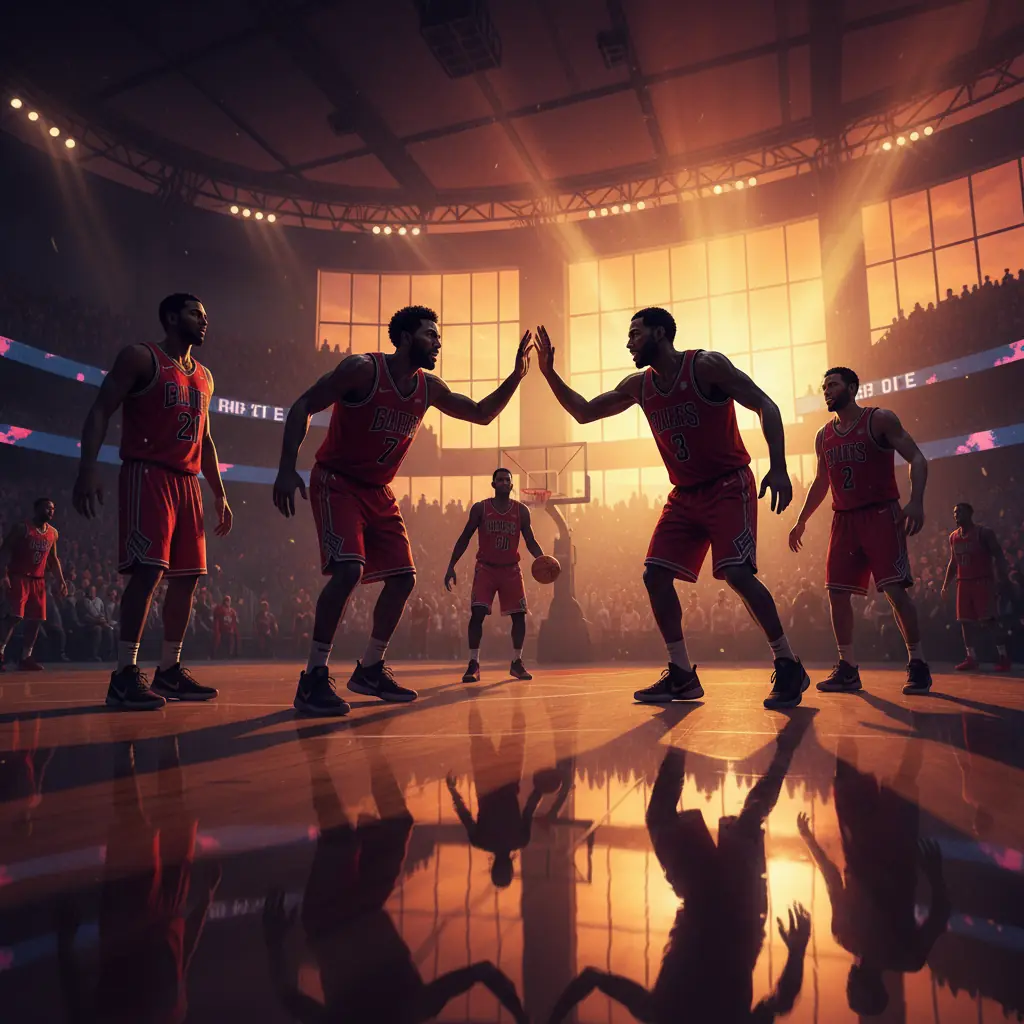
The NBA bubble served as an unexpected crucible, forging new approaches to team dynamics, in-game strategy, and overall adaptability. With smaller rosters and intensified scrutiny, teams discovered the value of depth and demanded flexibility. Lineups became more fluid, roles less defined, and the ability to make real-time adjustments became paramount. This environment accelerated the shift towards team building strategies that heavily emphasized adaptability as a core tenet. No longer could teams rely solely on star power; success hinged on the collective ability to morph, adjust, and exploit mismatches as they arose. This required a deeper understanding of each player’s capabilities and a willingness to experiment, leading to innovative in-game tactics and unconventional roster combinations. The bubble forced teams to embrace change and rewarded those who could best navigate the unpredictable landscape.
The Value of Adaptability: Roster Flexibility
The NBA bubble showcased the critical importance of roster flexibility and adaptability. Teams learned to quickly integrate new players, adjust strategies on the fly due to unforeseen circumstances such as injuries or health protocols. Franchises that embraced adaptable systems thrived, discovering hidden talents within their rosters and maximizing output from every player. This lesson extended beyond the bubble, impacting subsequent seasons where teams continued to prioritize versatility and the ability to withstand unexpected roster changes.
Collaborative Coaching: Empowering Players
The bubble also fostered a more collaborative coaching environment, with players actively involved in strategic development and on-the-court adjustments. Coaches began to rely more heavily on player input, valuing their perspectives and insights during games. Player mentorship programs emerged, facilitating knowledge transfer and skill development within teams. This empowerment dynamic allowed coaches to tap into individual strengths and address challenges more effectively, creating a stronger sense of unity and shared responsibility.
League-Wide Changes in Health and Safety Protocols
The NBA bubble was a unique experiment that has significantly shaped the league’s approach to health and safety measures in the years that followed. The health and safety guidelines implemented during that time have had a long-lasting effect on the NBA’s attitude. The success of the bubble environment owes much to the stringent testing protocols, isolation procedures, and efficient management of any outbreaks. Since then, the NBA has continued to improve its procedures, using what it learned in the bubble. These standards have helped to maintain a safer environment for teams, staff, and everyone else involved in the league.
Testing and Monitoring: Setting Benchmarks
Consistent testing has become a cornerstone of the NBA’s health strategy. Regular NBA testing helps maintain competitive consistency by rapidly detecting and isolating cases. Health monitoring has also been improved, giving another layer of protection. By doing this, the NBA has established safety benchmarks that guarantee the health and safety of teams and staff.
Preventative Measures: Enhancing Safety
Beyond testing, the NBA has also prioritized preventative measures to improve player health and safety. These include strict hygiene rules, social distancing practices, and improved sanitation procedures. These NBA preventative measures are essential to preventing the spread of diseases and safeguarding the well-being of everyone involved in the league. They also help to create a safer environment for both players and staff.
The Fan Experience and Digital Engagement Echoes
The NBA, spurred by the restrictions of the “bubble,” continues to redefine fan engagement in an increasingly remote world. The necessity for innovation became paramount, leading to an acceleration in the adoption of technologies aimed at replicating the electrifying atmosphere of a live game. This adaptive approach not only sustained fan interest but also paved the way for future immersive experiences.
Virtual Viewing Innovations: At-Home Immersion
Technologies have evolved to deliver a more immersive fan experience. Enhanced virtual reality offers fans alternate camera angles, real-time stats overlays, and interactive elements, making viewers feel like they’re courtside. Such innovations aim to bridge the gap between the physical and digital worlds, granting unprecedented access and control over the viewing experience.
Social Media and Community Building: Bridging Gaps
Virtual engagement platforms have become crucial in fostering connections among fans. Social media acts as a digital bridge, enabling real-time conversations during games and creating a sense of shared experience, regardless of physical location. These platforms help to cultivate a global NBA community, breaking geographical barriers and maximizing the reach of the sport.
Conclusion: Lessons Learned and the Future of the NBA
The NBA bubble was more than just a temporary solution; it was a crucible forging resilience, innovation, and a deeper understanding of what it means to compete at the highest level. The lessons gleaned from this unprecedented experience have indelibly shaped the league, revealing pathways toward a more adaptable and holistic approach to basketball excellence. The NBA’s legacy was never just about basketball.
Adaptability as the New Standard
The bubble environment demanded constant adjustment. Teams had to be agile, ready to rework game plans on short notice. This adaptability isn’t a fleeting trend; it’s the new benchmark for success in the NBA’s ever-evolving landscape. It’s about more than tactics; it’s about mindset.
A Holistic Approach to Excellence
The significance of mental health support and individualized training regimens became undeniable, which helped to highlight the importance of a comprehensive approach to player well-being. This understanding has paved the way for a future where personalized support systems are not a luxury but a necessity for sustained performance and career longevity.